
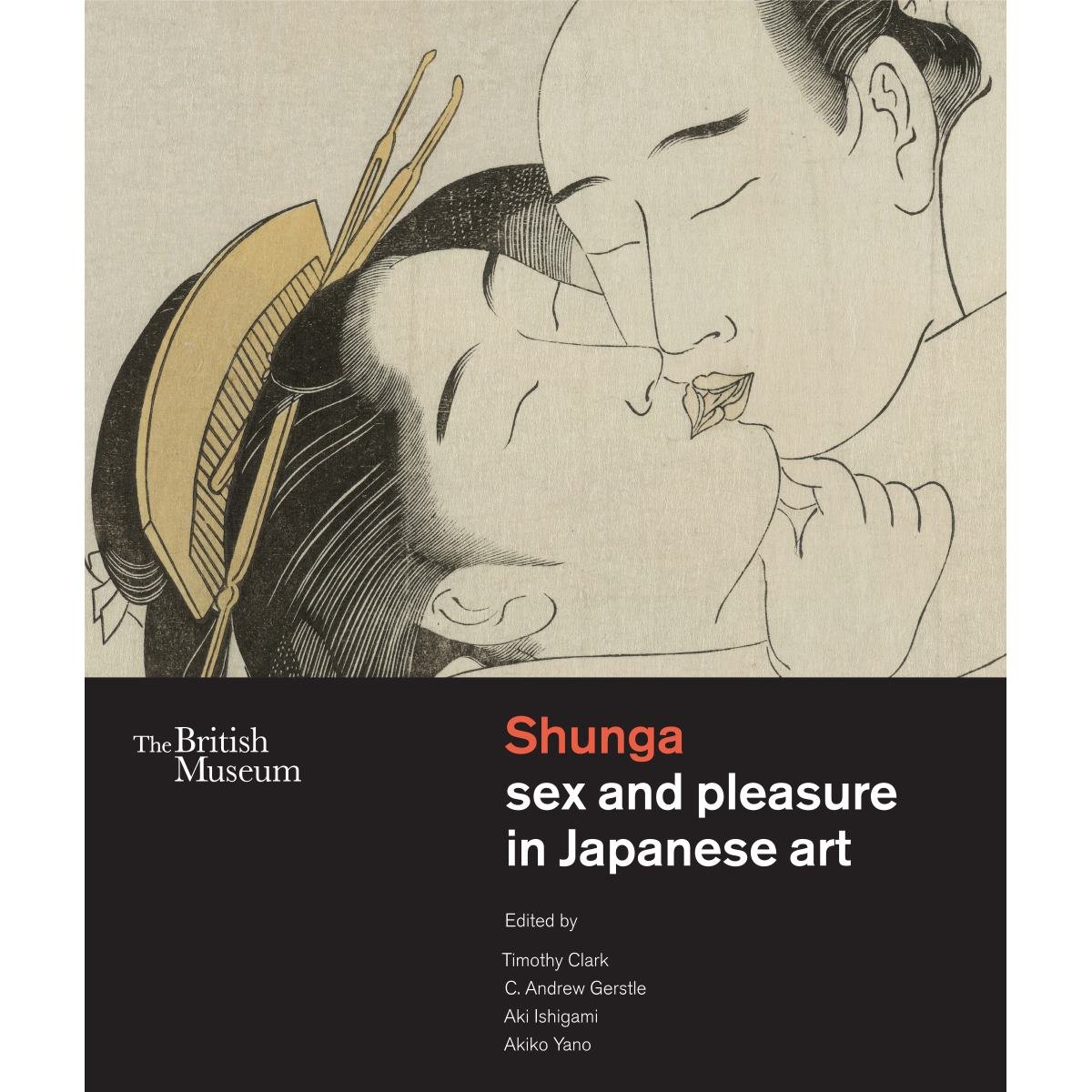
Shunga: Sex and Pleasure in Japanese Art, 2013
Shunga
Description
Shunga: Sex and Pleasure in Japanese Art is an illustrated art book published in 2013 to accompany a major exhibition at the British Museum. Edited by art historian Timothy Clark, it explores the erotic print tradition known as shunga—explicit yet sophisticated artworks that flourished in early modern Japan. The volume offers scholarly essays and high-quality reproductions that reveal the cultural, aesthetic, and social dimensions of Japanese erotic art.
Key facts
-
Editor: Timothy Clark
-
Publisher: British Museum Press (2013)
-
Associated exhibition: Shunga: Sex and Pleasure in Japanese Art (exhibition)
-
Focus period: 1600–1900 (Edo to Meiji Japan)
-
Notable artists featured: Katsushika Hokusai, Kitagawa Utamaro, Torii Kiyonaga
Historical context
The book situates shunga within Japan’s Edo-period (1603–1868) visual culture, when erotic woodblock prints circulated widely among all social classes. These works—created by leading ukiyo-e masters—were not clandestine pornography but integral to the era’s literary and artistic life, reflecting humor, beauty, and human intimacy. The volume traces how attitudes toward sexual imagery shifted under changing moral codes and modernization.
Themes and analysis
Essays by Clark and co-authors explore themes of desire, gender, fantasy, and power in shunga imagery. The book analyzes the genre’s interplay between eroticism and aesthetics, demonstrating how these prints served both entertainment and didactic purposes. It also examines censorship, the influence of shunga on later Japanese and Western artists, and its reinterpretation in contemporary art.
Reception and influence
Critics praised Shunga: Sex and Pleasure in Japanese Art for its balance of rigorous scholarship and visual richness. The accompanying exhibition was the first major public display of shunga in the UK, challenging taboos around erotic art while highlighting its cultural sophistication. The book remains a key reference in Japanese art studies and the global history of erotic representation.



Reviews
There are no reviews yet.